
VHB Tape Applications in Automotive Components
VHB Tape Applications in Automotive Components: How to Choose the Right Solution
As the automotive industry moves toward lightweight design, improved durability, and higher assembly efficiency, adhesive bonding technologies are becoming increasingly important. Among them, VHB (Very High Bond) tape has become one of the most widely used bonding solutions for automotive component assembly.
VHB tape is a high-performance acrylic foam tape designed to deliver strong bonding, shock absorption, weather resistance, and long-term reliability. In many automotive applications, it can successfully replace traditional mechanical fasteners such as screws, rivets, clips, and even liquid adhesives.
Why VHB Tape Is Important in Automotive Manufacturing
Modern vehicles require materials and assembly methods that support:
Lightweight construction
Improved fuel efficiency or EV range
Reduced vibration and noise
Faster automated production
Better aesthetics and cleaner design
VHB tape helps manufacturers achieve these goals by providing durable, invisible, and flexible bonding.
Main Applications of VHB Tape in Automotive Components
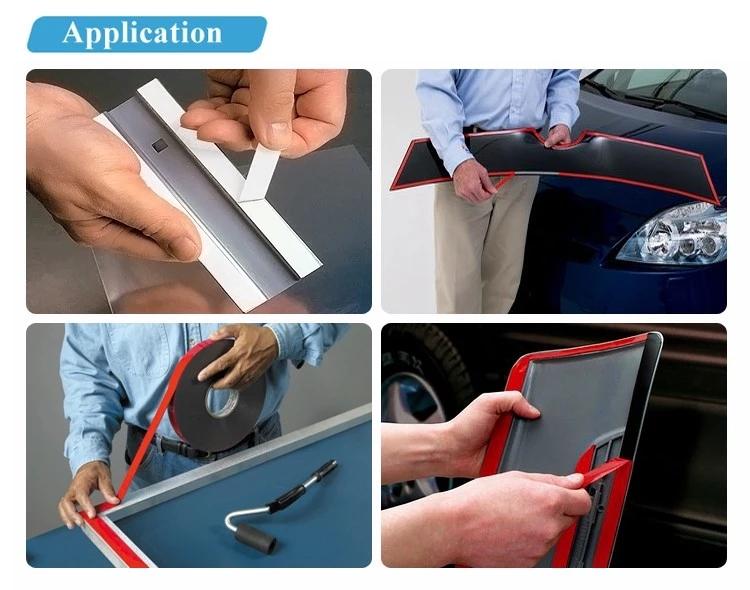
1. Exterior Trim Bonding
VHB tape is widely used for bonding exterior decorative and functional parts, including:
Side moldings
Door trim strips
Spoilers
Emblems and badges
Wheel arch trims
Compared with screws or clips, VHB tape provides a clean appearance without drilling holes into body panels.
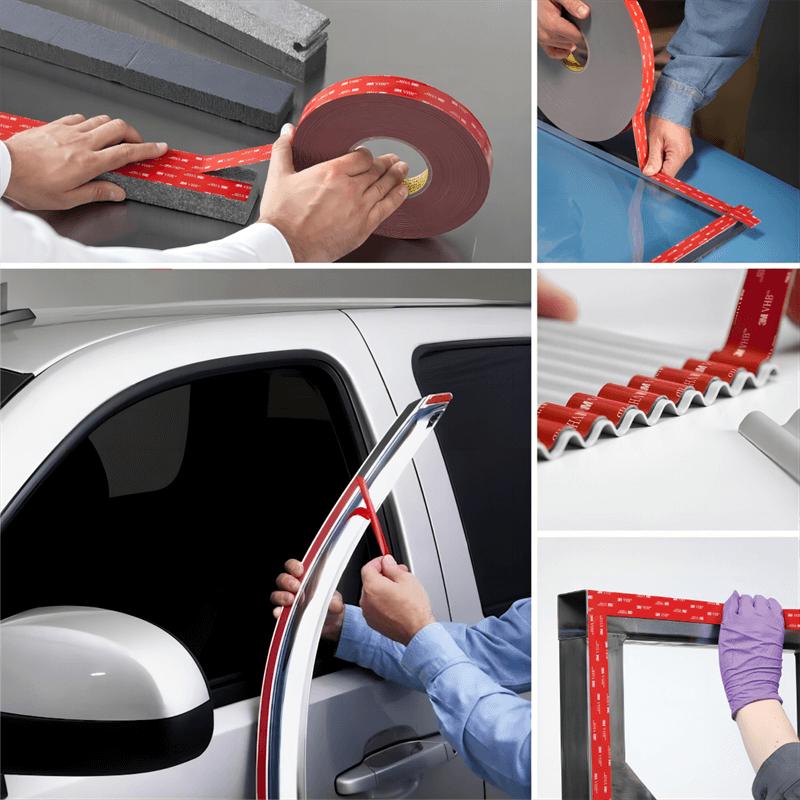
2. Automotive Electronics Assembly
As vehicles become more intelligent, more electronic components require reliable bonding solutions.
Typical applications include:
Camera modules
Radar housings
Sensors
Display screens
Wire harness fixation
These applications require strong adhesion, electrical insulation, and vibration resistance.
3. EV Battery Pack Applications
Electric vehicles create new demands for advanced adhesive materials.
VHB tape is used in:
Battery pack sealing
Module cushioning
Structural reinforcement
Insulation layers
EMI shielding component bonding
For EV systems, tapes must withstand heat, vibration, moisture, and long-term aging.
4. Automotive Lighting Systems
Lighting assemblies require adhesives that perform under heat and outdoor exposure.
Applications include:
Headlights
Tail lights
LED modules
Daytime running lights
VHB tape provides:
UV resistance
Waterproof sealing
High-temperature resistance
This ensures long service life under demanding conditions.
5. Interior Assembly
Automotive interior applications require clean bonding with low odor and excellent durability.
Examples include:
Dashboard panels
Decorative trims
Armrests
Ambient lighting modules
Console assemblies
Low VOC and long-term dimensional stability are especially important.
Key Factors When Choosing Automotive VHB Tape
Choosing the right VHB tape is critical for long-term performance. Here are six major factors to consider.
1. Substrate Material
Different materials require different adhesive systems.
High Surface Energy Materials
These are easier to bond:
Glass
Aluminum
Stainless steel
PC
ABS
Standard acrylic VHB tape usually performs well.
Low Surface Energy Materials
These are more difficult to bond:
PP
PE
TPO
EPDM
These materials require specialized LSE adhesive formulations for reliable bonding.
2. Surface Roughness
Surface texture directly affects bonding performance.
Smooth surfaces: 0.25–0.5 mm thickness may be sufficient
Rough surfaces: 0.8–2.0 mm thickness is recommended
Thicker foam tapes help fill surface gaps and improve contact area.
3. Operating Temperature
Automotive environments can be extremely harsh.
Vehicle exterior surfaces under sunlight may exceed:
90°C (194°F)
Areas near engines or battery systems may reach even higher temperatures.
Recommended tape performance:
Short-term temperature resistance: ≥150°C
Long-term temperature resistance: ≥90°C
4. Load Type
Different applications experience different force directions.
Shear Load
Parallel force along the bonded surface.
VHB tape performs extremely well under shear stress.
Peel Load
Force attempting to lift the tape from one edge.
Applications with peel stress may require:
Higher cohesive adhesive systems
Primers
Mechanical design optimization
5. Waterproof Requirements
Exterior automotive parts often require excellent sealing performance.
For these applications, choose tapes with:
Closed-cell foam structure
Waterproof acrylic adhesive system
Weather resistance
These properties help achieve long-term sealing reliability.
6. Special Functional Requirements
Some automotive applications need additional functional properties.
Examples include:
Conductivity
Used for grounding and electrical continuity.
EMI Shielding
Conductive copper or aluminum foil tapes help reduce electromagnetic interference.
Thermal Conductivity
Important for thermal management systems.
Flame Retardancy
Required in battery and electrical systems.
Why Choose Nanobond Automotive Adhesive Solutions
At Shenzhen Nanobond New Material Technology Co., Ltd., we provide integrated adhesive solutions for automotive manufacturing.
Our products include:
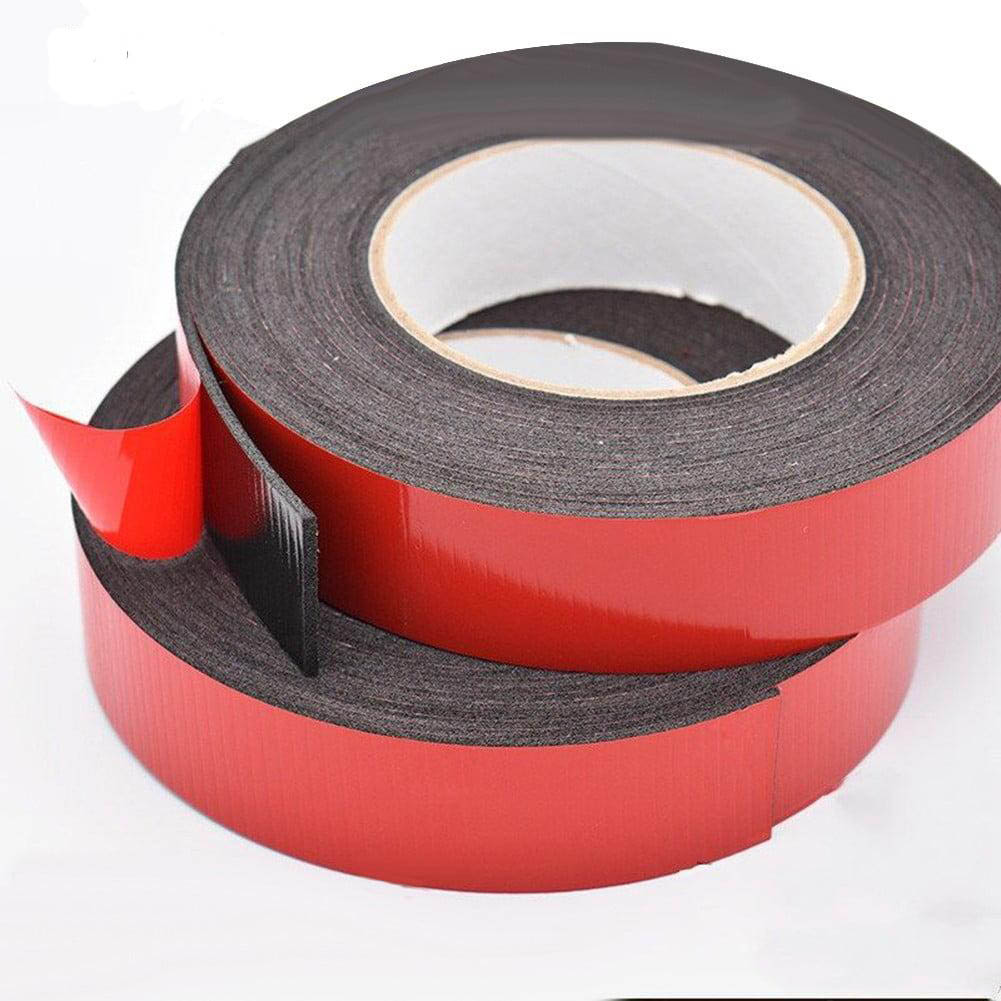
High-performance VHB tapes
Waterproof foam tapes
Conductive copper foil tapes
Conductive aluminum foil tapes
Custom die-cut adhesive components
Nanobond offers complete support from product development to mass production, helping customers improve assembly efficiency, reduce costs, and enhance product reliability.
Conclusion
Selecting the right automotive VHB tape is not simply about choosing the strongest adhesive. The ideal solution depends on substrate compatibility, operating temperature, mechanical stress, sealing requirements, and functional demands.
With the right adhesive design, VHB tape can successfully replace traditional fastening methods and become a critical component in modern automotive manufacturing.